You are cruising along and suddenly the steering wheel starts to buzz or shake in your hands. The faster you go, the worse it feels, and backing off the throttle makes it calm down again. It may come and go with certain speeds, certain roads, or after hitting a pothole.
That vibration is not just annoying, it is usually your first warning that something in the rolling or steering parts of the car needs attention.
What Steering Wheel Shake Is Really Telling You
A shaking wheel almost always means something is out of balance, out of round, or loose between the tires and the steering linkage. At low speeds, you may barely feel it because the forces are small, but as speed goes up, any tiny imperfection gets amplified.
That is why many drivers only notice a problem at highway speeds, even though the issue has been there for a while. The longer you let it go, the more it can chew up tires, stress suspension parts, and mask other problems that were already starting.
How Tires and Balance Cause Vibration at Highway Speeds
The most common cause of steering vibration is still in the tires and wheels. A tire that is worn unevenly, out of round, or has a broken belt will shake far more at 60 mph than it will at 30. Even if the tire itself is fine, weights can fall off or the wheel can get slightly bent, so the assembly is no longer balanced and begins to hop at certain speeds.
That is why you often feel a very specific “sweet spot” where the shake is worst, then it fades a little above or below that speed. A good balance check and careful inspection of the tread, sidewalls, and wheel can quickly tell us if the problem starts there.
When Suspension Wear Is Behind the Shaking
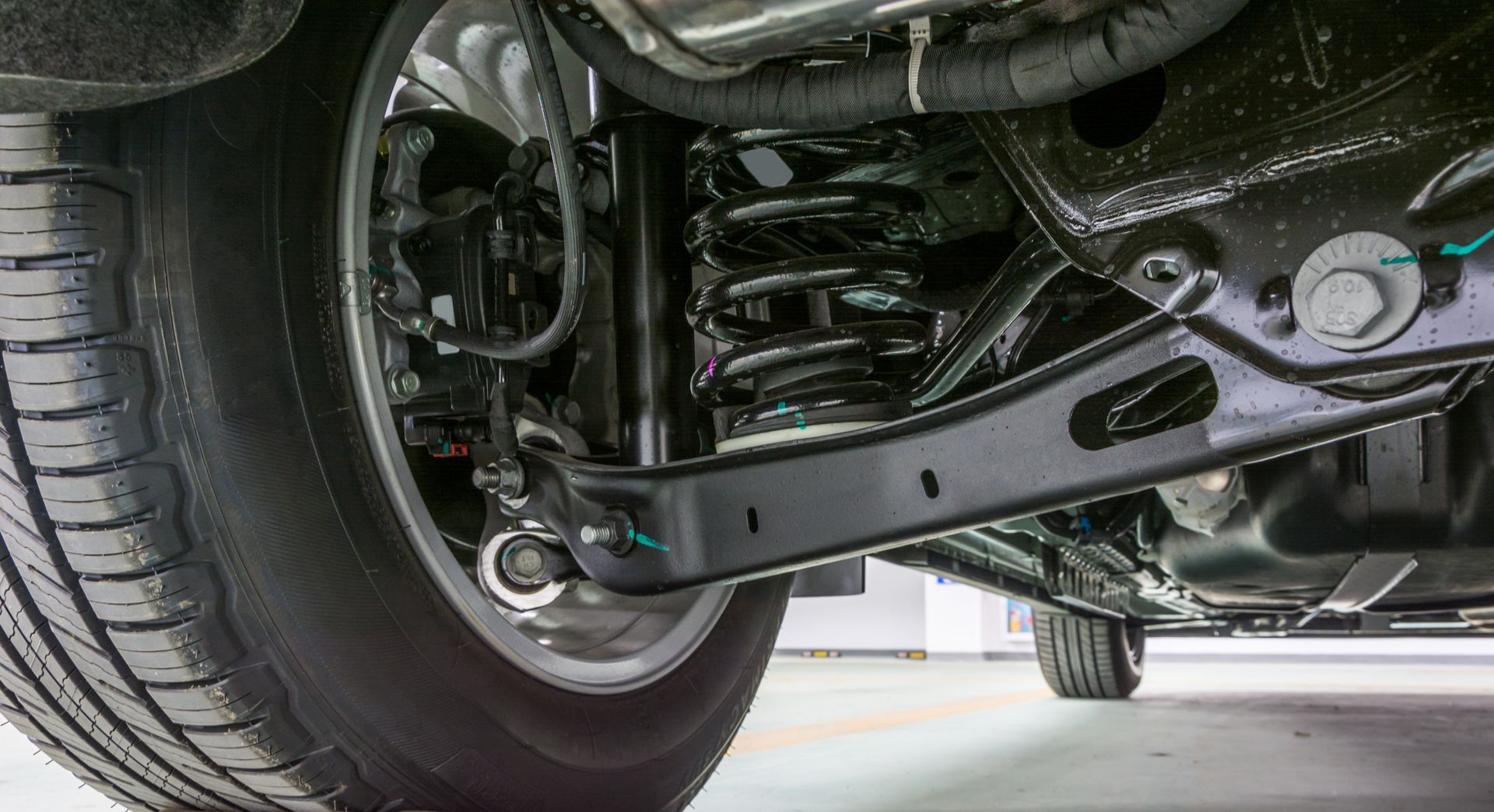
If the tires and wheels check out, the next suspects live in the suspension and steering. Worn tie rods, ball joints, control arm bushings, or wheel bearings can let the wheel move more than it should, so any small vibration gets magnified through the steering wheel. A loose or worn strut or shock can also let the wheel bounce instead of staying planted, which you feel as a rhythmic shake at speed.
Over time, that looseness not only feels bad, but it can also knock alignment off and cause rapid, strange tire wear. When we inspect a vehicle for vibration, we like to get it in the air and physically check for play at each corner instead of guessing.
Test-Drive Cues: What You Notice and What It Points To
Paying attention to when and how the shake shows up can tell you a lot. On a test drive, these details matter:
- Vibration mostly between 55 and 70 mph often points toward tire balance or a slightly bent wheel.
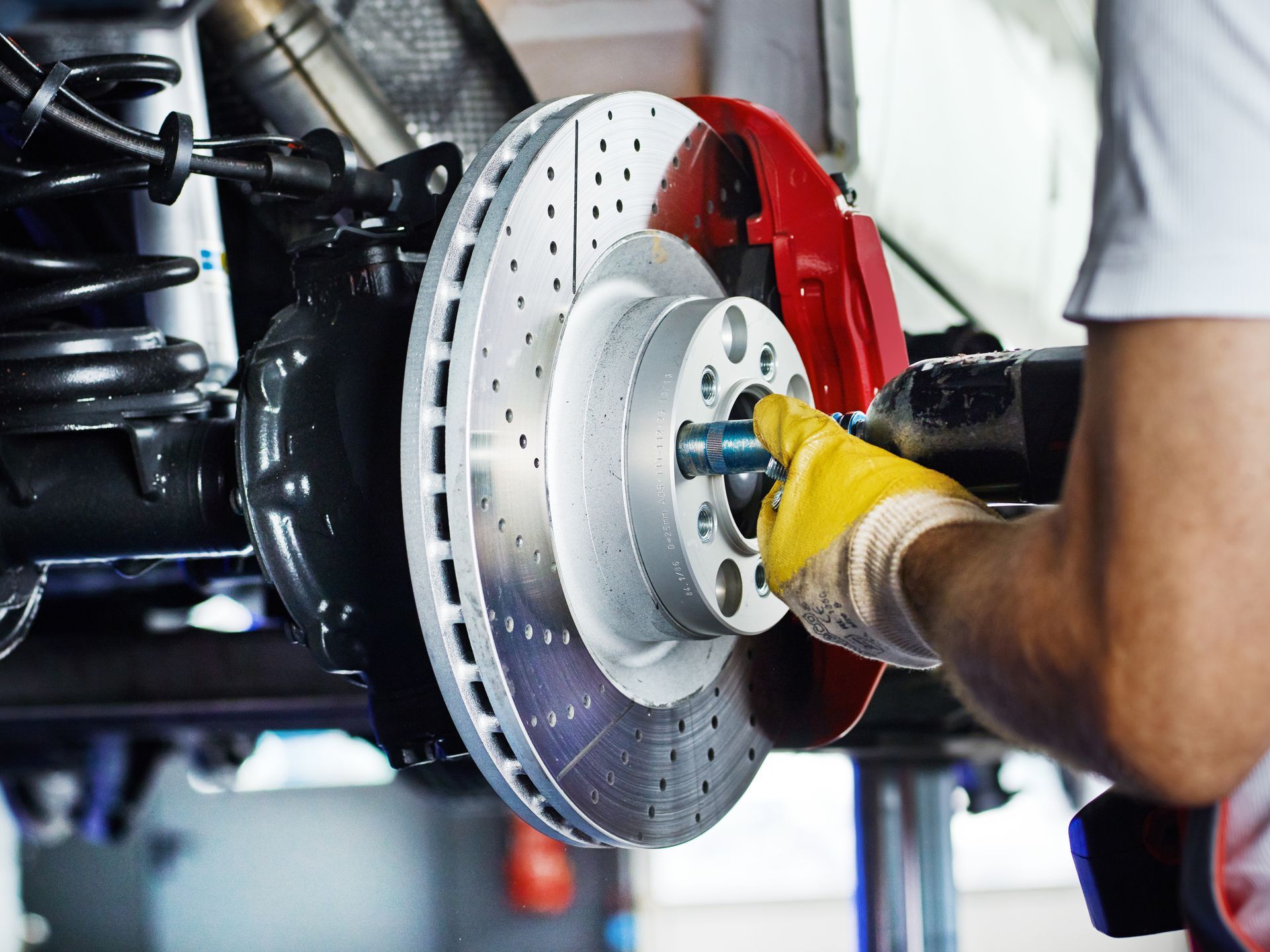
- A shake that shows up under hard braking, then disappears at steady speed, usually suggests a warped brake rotor.
- A growling noise with vibration that gets louder in turns may indicate a failing wheel bearing.
- A steering wheel that shimmies after hitting bumps, especially with a loose feel, can signal worn suspension or steering joints.
Owner Reactions That Make Vibrations Worse
A lot of drivers live with a steering shake far longer than they should. They keep driving at the “good” speeds and avoid the worst of the vibration, or they rotate tires themselves and hope it helps without checking balance or alignment. Some ignore uneven tire wear because there is still tread left, even though the pattern clearly shows the tires are being scrubbed.
Others put off suspension repairs, then add new tires on top of worn parts, which quickly ruins the new rubber. We have seen many sets of tires sacrificed early simply because the original shake was treated as a minor annoyance instead of a sign that something needed to be fixed.
Why Prompt Diagnostic Saves Tires, Brakes, and Fuel
When you track down a shake early, repairs usually stay limited and the rest of the car benefits. A simple rebalance or replacement of one bad tire costs much less than a full set that has been chopped up by weeks of vibration. Fixing worn suspension and steering parts restores stability, improves braking feel, and protects wheel bearings, rotors, and alignment.
A car that rolls smoothly also wastes less energy fighting drag and hopping tires, which helps fuel economy and makes long drives much less tiring. Steering wheel shake is not something you have to “live with,” it is something you can get rid of once the real cause is found.
Get a Steering Diagnostic in Illinois with Fix Cars Fast
If your steering wheel shudders at speed, buzzes on certain roads, or has started to feel loose in your hands, now is the time to have it checked. We can road test your vehicle, inspect tires and wheels, and look over suspension and steering parts to find exactly what is behind the vibration.
Schedule a steering diagnostic in Illinois with
Fix Cars Fast, and we will help you get your car back to a smooth, confident drive.